The world of translation stands at a fascinating crossroads. On one side, artificial intelligence and machine learning have revolutionized how quickly and affordably text can be converted between languages. On the other, human translators continue to provide irreplaceable creativity, cultural insight, and nuanced understanding. Rather than a battle between human and machine, modern translation represents an evolving collaboration that combines the strengths of both.
The Rise of Machine Translation
Machine translation has come a long way since its Cold War origins, when researchers first attempted to automate Russian-to-English translation. Early systems relied on rule-based approaches, encoding grammatical rules and bilingual dictionaries into software. These systems produced often awkward, sometimes incomprehensible results that became the subject of countless jokes about translation failures.
The field transformed with statistical machine translation in the 1990s, which analyzed vast amounts of bilingual text to identify translation patterns. Instead of following programmed rules, these systems learned from examples, producing more natural-sounding output.
The current revolution began with neural machine translation, which uses artificial neural networks inspired by human brain structure. Google Translate's switch to neural networks in 2016 marked a watershed moment, dramatically improving translation quality. Neural systems process entire sentences rather than fragments, understanding context better and producing more fluent, natural translations.
Today's machine translation engines can process billions of words daily, providing instant translations in dozens of languages. Services like Google Translate, DeepL, and Microsoft Translator have become everyday tools for travelers, students, businesses, and casual users worldwide.
What Machines Do Well
Modern machine translation excels in several areas. For straightforward, factual content with clear structure—such as news articles, basic instructions, or simple correspondence—machine translation often produces acceptable results. The technology handles high-volume translation tasks efficiently, processing in seconds what would take human translators hours or days.
Machines also maintain perfect consistency in terminology. Once a term is translated one way, the system will translate it identically throughout, something human translators sometimes struggle with in lengthy documents. This consistency proves valuable for technical documentation, where standardized terminology is crucial.
Cost and speed represent machine translation's most obvious advantages. For organizations needing to translate massive amounts of content quickly and affordably, machine translation offers solutions that would be economically impossible with human translators alone.
Where Machines Fall Short
Despite impressive advances, machine translation has significant limitations that explain why human translators remain essential. Machines struggle with context-dependent meaning, cultural nuances, and creative language that makes human communication rich and complex.
Consider idioms and figurative language. A machine might translate "it's raining cats and dogs" literally, producing nonsensical results in the target language. While neural networks have improved at handling some common idioms, they still falter with less frequent expressions, wordplay, or culturally specific references.
Tone and register present another challenge. Machines often cannot distinguish between formal and informal contexts or adjust their translations accordingly. A business letter and a casual text message require different translation approaches, but machines may not recognize or adapt to these distinctions.
Cultural sensitivity requires human judgment. What's acceptable in one culture may be offensive in another. Translating marketing materials, for instance, requires understanding cultural values, humor styles, and local sensitivities—areas where machines lack the necessary cultural competence.
Creative and literary translation remains almost entirely a human domain. Translating poetry, novels, or marketing copy requires not just linguistic knowledge but artistry. How does one translate a pun, preserve a poem's rhythm, or recreate an author's distinctive voice? These tasks demand human creativity that machines cannot replicate.
The Hybrid Approach: Humans and Machines Together
Rather than replacing human translators, machine translation has created new workflows and roles. Many professional translators now work in post-editing, where they review and refine machine-translated text. This hybrid approach combines machine speed with human quality, often producing results faster than pure human translation while maintaining higher quality than unedited machine output.
Computer-assisted translation (CAT) tools represent another form of human-machine collaboration. These tools provide translation memories (databases of previously translated segments), terminology management, and quality assurance features that help human translators work more efficiently and consistently. Unlike machine translation, which works autonomously, CAT tools assist human translators who remain in control of the translation process.
This collaborative model allows translators to focus on what humans do best—handling complexity, creativity, and cultural nuance—while letting machines handle repetitive or straightforward content. Many translation agencies now offer tiered services: machine translation for basic needs, post-edited machine translation for standard content, and fully human translation for high-stakes or creative materials.
The Changing Role of Professional Translators
Machine translation hasn't eliminated the need for professional translators but has transformed their role. Today's translators increasingly need technological literacy, understanding how to work with various translation technologies and when to apply them appropriately.
Specialization has become more important. As machines handle general translation more competently, human translators add value through subject matter expertise—whether in legal translation, medical translation, literary translation, or localization. Deep knowledge in specific domains remains beyond machine capability.
Cultural consultancy represents an expanding dimension of translation work. Beyond converting words, professional translators increasingly advise on cultural adaptation, helping businesses, publishers, and content creators communicate effectively across cultures. This consultative role leverages cultural expertise that machines cannot provide.
Looking Forward: The Future of Translation
The translation landscape will continue evolving as AI technology advances. Machine translation will likely improve further, handling more complex texts with greater accuracy. However, the fundamental limitations—lack of cultural understanding, creative ability, and contextual judgment—suggest that human expertise will remain essential for the foreseeable future.
The most promising future involves deeper integration of human and machine capabilities. Imagine AI systems that flag potentially problematic translations for human review, or tools that learn from individual translators' preferences and styles. Such developments could enhance rather than replace human expertise.
Conclusion
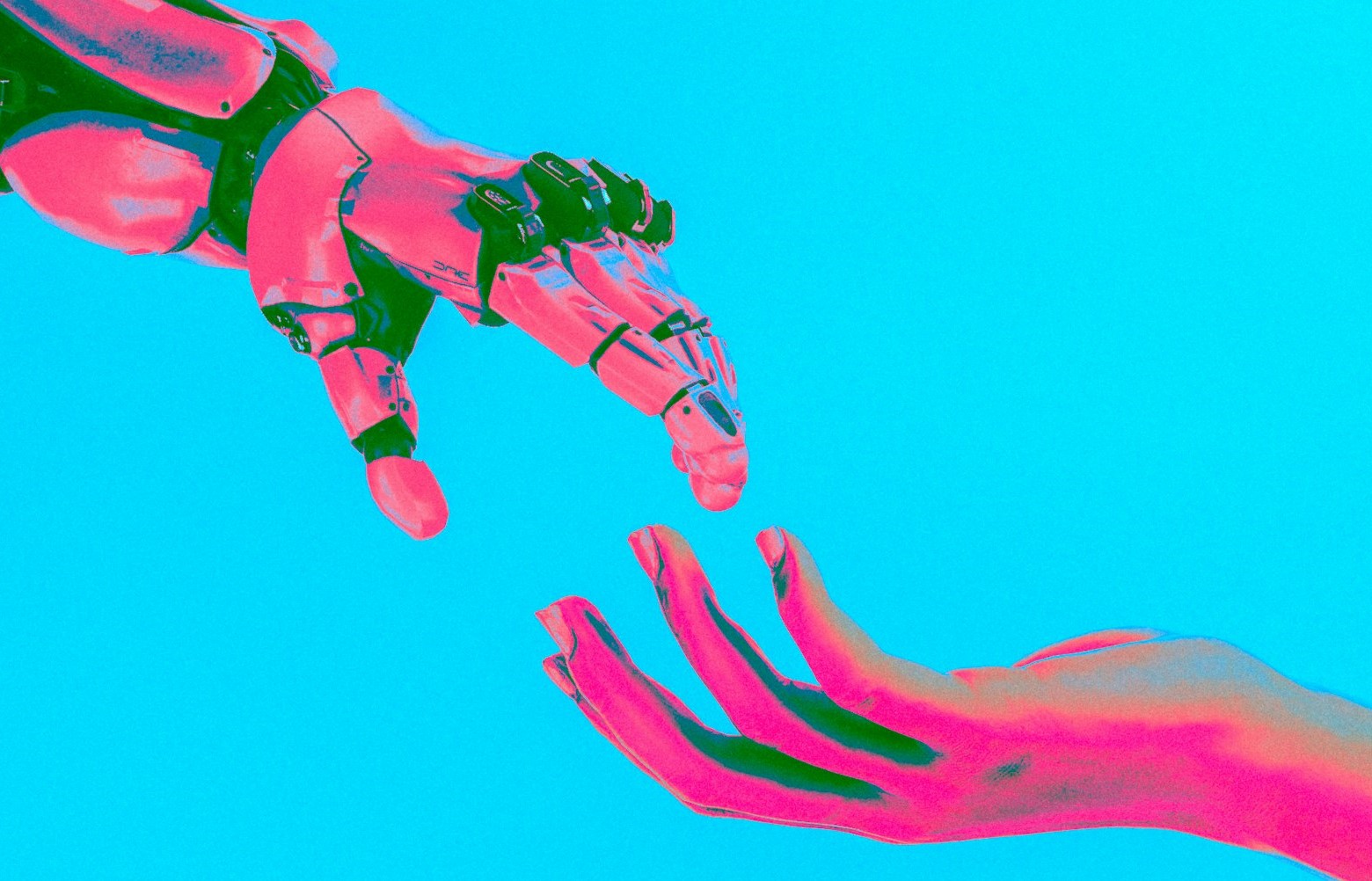
Modern translation exists in a creative tension between human creativity and machine intelligence. Rather than viewing this as a competition, we should recognize it as a partnership where each contributes unique strengths. Machines offer speed, consistency, and scalability. Humans provide cultural insight, creative problem-solving, and nuanced understanding.
The best translations emerge when these capabilities work together, combining technological efficiency with human artistry. As we navigate an increasingly multilingual world, this hybrid approach—honoring both machine intelligence and human creativity—offers the most promising path forward for translation as both profession and essential human service.
The future of translation is not human or machine, but human and machine, working together to connect our diverse global community.