A product can be perfectly built and still be stopped at the EU border, by a market surveillance authority or by a customer complaint, because its manual is in the wrong language. For exporters selling into several EU countries, the manual is often the last thing planned and the first thing checked.
This guide explains which languages are required, what the EU rules actually say, what changes with the new Machinery Regulation, and how to translate manuals for many markets without overspending.
The basic rule: the destination country decides
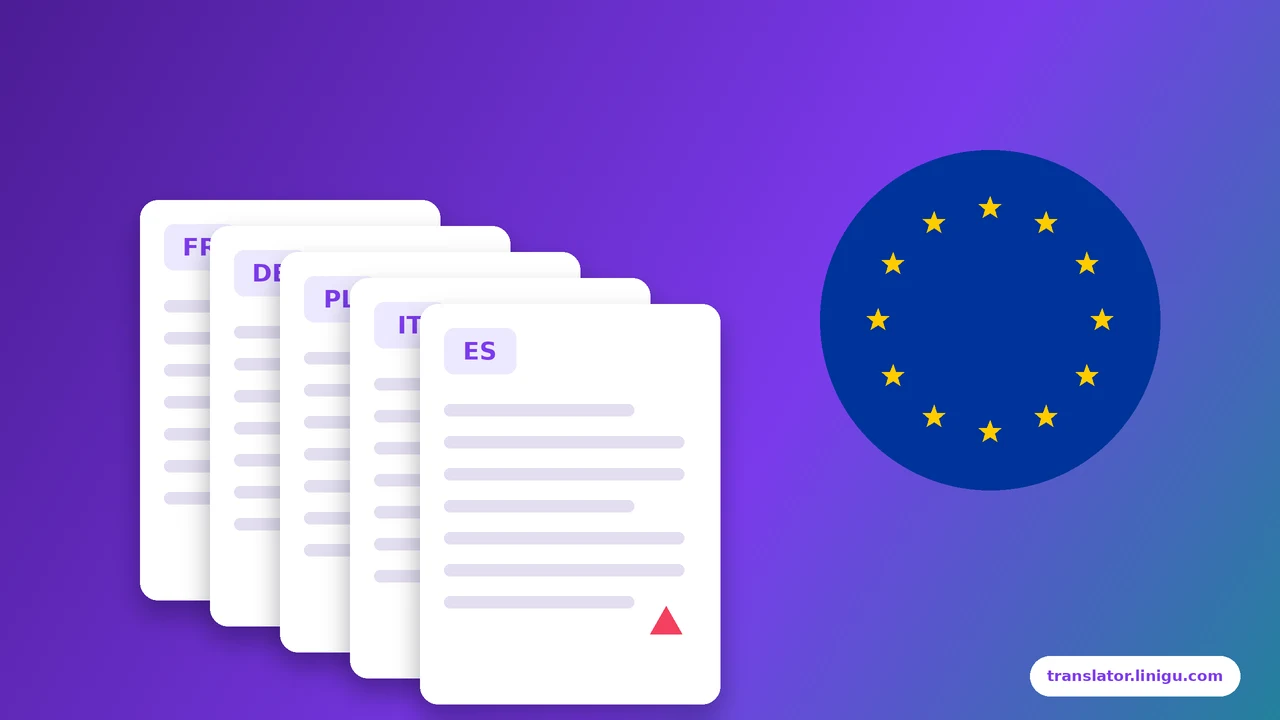
EU product law does not fix one language for the whole Union. Instead, the main laws say that instructions and safety information must be in “a language which can be easily understood” by users or consumers, “as determined by the Member State” where the product is sold. In practice, that usually means the official language or languages of each country you sell to.
| EU law | Applies to | What it says about language |
|---|---|---|
| General Product Safety Regulation (EU) 2023/988, since 13 Dec 2024 | Consumer products | Clear instructions and safety information in a language easily understood by consumers, as determined by the Member State (Art. 9(7)) |
| Low Voltage Directive 2014/35/EU | Electrical equipment | Instructions and safety information in a language easily understood by consumers and other end users, as determined by the Member State (Art. 6(7)) |
| Machinery Regulation (EU) 2023/1230, from 14 Jan 2027 | Machinery and related products | Instructions, safety information and Annex III information in a language easily understood by users, as determined by the Member State (Art. 10(7)) |
The EU declaration of conformity also has to be translated into the language or languages required by the country where the product is placed on the market. That is stated explicitly in both the Low Voltage Directive and the Machinery Regulation.
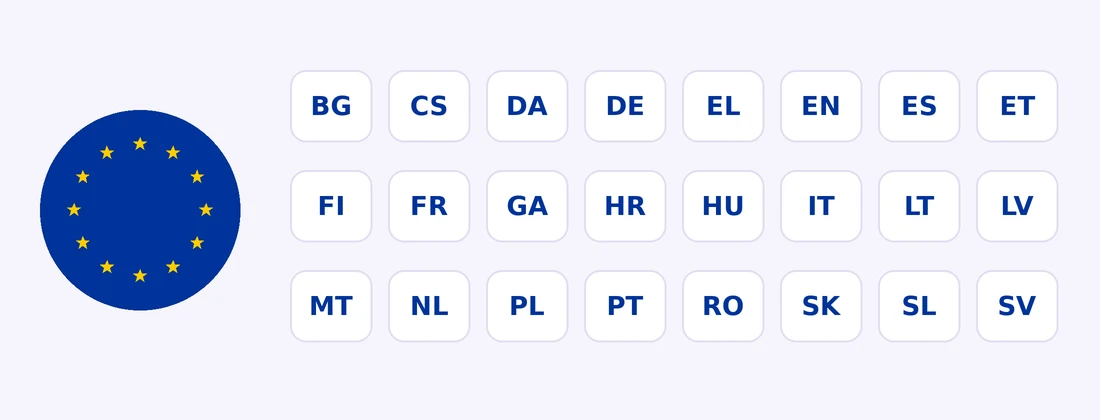
Examples of national language rules
- France requires French for instructions and product information (Loi Toubon).
- Belgium has three official languages; manuals usually come in Dutch, French and German.
- Finland is bilingual, so consumer products often need Finnish and Swedish.
- Luxembourg, Ireland and Malta accept one of their official languages, such as French or German in Luxembourg, or English in Ireland and Malta.
- EEA countries (Norway, Iceland, Liechtenstein) apply the same EU product rules with their own languages.
Always check the current national rules of each destination country: some accept English for documents aimed only at professional users, many do not.
What changes with the Machinery Regulation in 2027
- Digital manuals are allowed, if the product shows how to access them, users can download and print them, and they stay online for the product’s lifetime and at least 10 years.
- Paper on request: if the buyer asks at the time of purchase, the manufacturer must provide the manual on paper, free of charge, within one month.
- Consumers get paper safety information: for machinery that non-professional users may use, the essential safety information must be supplied on paper.
- Maintenance instructions for specialised personnel mandated by the manufacturer may be in just one official EU language they understand.
- The labels “Original instructions” and “Translation of the original instructions” from the current Machinery Directive 2006/42/EC are no longer in the new Regulation’s text.
Selling from outside the EU? You need an EU economic operator
Under the General Product Safety Regulation, a consumer product may not be placed on the EU market unless there is an economic operator established in the EU responsible for it (Art. 16), for example the importer or an authorised representative. This matters especially for direct sales through online marketplaces.
Common mistakes
- Translating only the safety chapter, while installation and maintenance stay in the source language.
- Text inside images and drawings that nobody can translate.
- Warning labels on the product itself that do not match the translated manual.
- Inconsistent terms across the manual, the packaging and the declaration of conformity.
- Old translations that no longer match the current model after a design change.
- Publishing machine-translated safety warnings without a human check.
How to translate manuals cost-efficiently
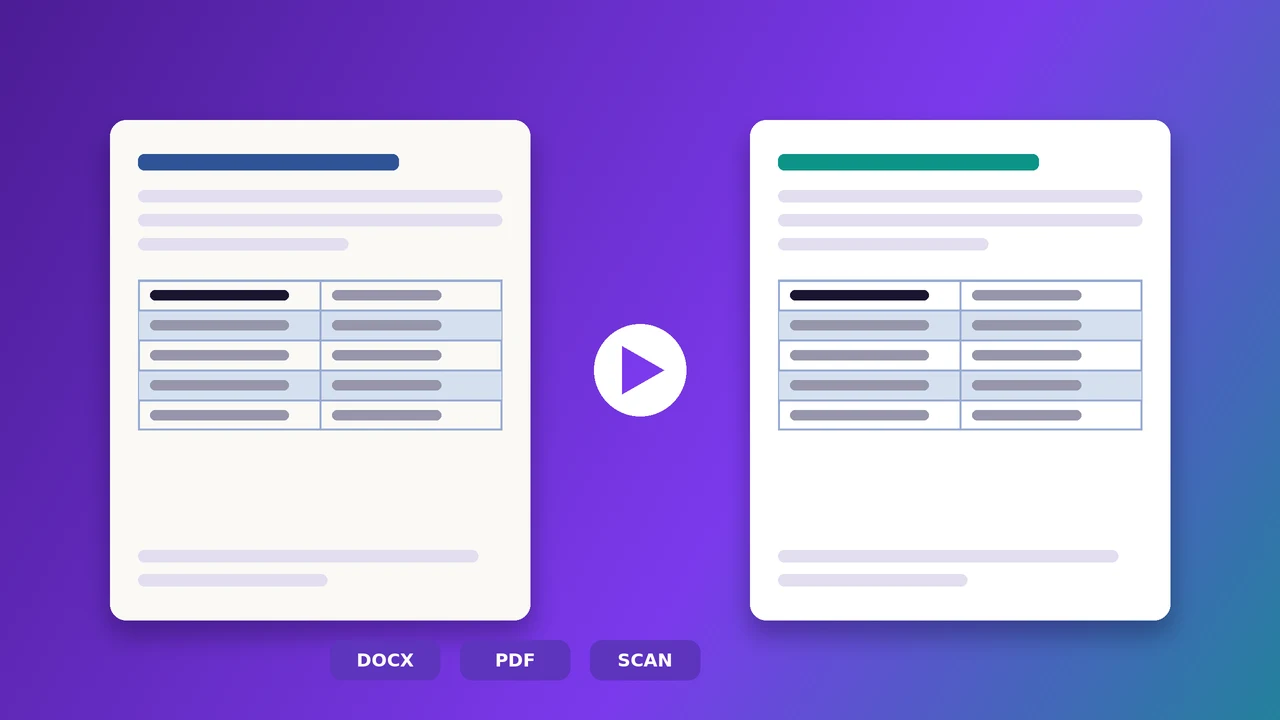
- Start from an editable file (Word, InDesign export, PowerPoint) instead of a PDF. Keep text out of images.
- Reuse what you already have. Manuals for similar models share most sentences. Upload earlier translations as a translation memory; on Linigu Translator, 100% matches are free.
- Fix the terminology first with a glossary, so every language uses the same terms as your labels.
- Let AI translate, then review the safety-critical parts. AI translation costs $0.005 per word; a 12,000-word manual comes to about $60 per language. See how translation is priced.
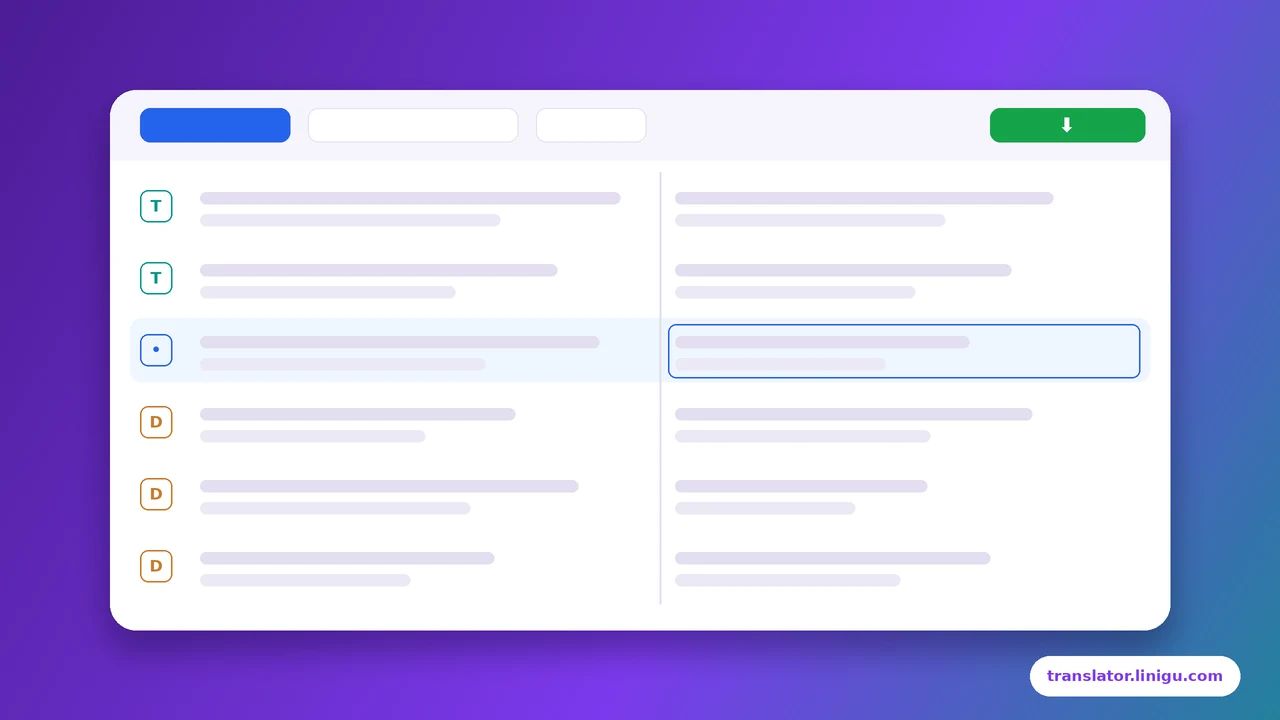
- Review in the online editor, segment by segment, as described in our editor guide, and finish with the free QA Checker for numbers, units and terminology.
Need a reviewed or certified manual translation? For safety-critical texts and many languages at once, write to info@linigu.com. We will plan the languages and the review with you.
Frequently asked questions
Is an English manual enough for the EU?
Usually not. Each Member State determines the language. For consumer products, plan the language of every country you sell to.
Can my manual be only digital?
For machinery from 14 January 2027, yes, with conditions: access marked on the product, printable and downloadable, online for at least 10 years, paper on request, and paper safety information for consumer-usable machines.
Do I need to translate the declaration of conformity?
Yes. It must be translated into the language or languages required by the Member State where the product is placed on the market.
How do I keep many language versions up to date?
Work from one source file, keep a translation memory, and translate only the changed sentences when the model changes.