SDL Trados Studio represents one of the most widely adopted computer-assisted translation (CAT) tools in the professional translation industry. Its power lies not just in its user interface or feature set, but in the sophisticated linguistic engines that drive its core functionality: Translation Memory and TermBase. These two components work in tandem to accelerate translation workflows, ensure consistency, and preserve institutional knowledge across projects and years of work. Understanding their mechanics reveals both their capabilities and how to use them most effectively.
The Architecture of Translation Memory
At its core, a Translation Memory is a database that stores segments of source text paired with their corresponding translations. These segments are typically sentences, though they can also be headings, list items, or other logical units of text. Each stored pair is called a translation unit, and it contains far more information than just the source and target text.
Every translation unit in a TM includes metadata that contextualizes the translation. This includes the translator who created it, the date of creation and modification, the client or project it originated from, and often custom fields that organizations use to track domain, product line, or quality status. This metadata allows for sophisticated filtering and searching, enabling translators to find relevant matches while excluding potentially outdated or inappropriate content.
The matching algorithm in Trados compares incoming source segments against stored translation units using several criteria. Exact matches occur when the source text is identical and context matches perfectly. These are the golden retrievals—proven translations that can typically be inserted without modification. The system also identifies context matches, where the source text matches and the surrounding segments are identical, providing additional confidence in the translation's appropriateness.
Fuzzy matching is where the TM system demonstrates real sophistication. When no exact match exists, Trados calculates similarity percentages based on character-level and word-level comparisons. A ninety-five percent match might differ by just a few words or a number, making it highly valuable as a starting point. The algorithm considers word order, morphological variations, and punctuation differences to determine these percentages.
The technical format underlying Trados TMs has evolved over the years. Modern Trados Studio uses file-based TMs with the .sdltm extension, which are SQLite databases optimized for linguistic data. These files can also be exported to the industry-standard TMX (Translation Memory eXchange) format, enabling interoperability with other CAT tools and facilitating data exchange between organizations.
TermBase Mechanics and Terminology Management
While Translation Memory handles complete segments, TermBase focuses on terminology—specific words and phrases that require consistent translation across all content. TermBase in SDL Trados is managed through MultiTerm, a specialized database system designed for multilingual terminology management.
A TermBase is structured around concepts rather than individual words. Each concept entry can contain terms in multiple languages, along with rich metadata describing usage, context, domain, and approval status. For example, a single concept entry might contain "user interface" in English, "interfaz de usuario" in Spanish, and "interface utilisateur" in French, along with definitions, usage notes, and images.
The real power of MultiTerm lies in its field structure. Organizations can customize termbase templates to include fields like part of speech, gender, domain, project, customer, definition, context, and usage notes. This granular organization allows translators to quickly assess whether a term is appropriate for their current context. A term approved for medical translation might be flagged as inappropriate for marketing materials, even within the same product family.
TermBases use a recognition algorithm that identifies terms in the source text and displays target language equivalents to the translator in real-time. This happens through a process called term recognition, where MultiTerm analyzes the source segment, identifies words and phrases that match entries in the active termbases, and highlights them in the translation interface. Unlike TM matching, which happens segment-by-segment, term recognition works continuously as the translator moves through the document.
The technical implementation uses indexed databases optimized for rapid lookup. MultiTerm databases use the .sdltb format, which supports complex multilingual structures and extensive metadata. Like TMs, termbases can be exported to standard formats like TBX (TermBase eXchange) for sharing with other systems or organizations.
Integration and Workflow
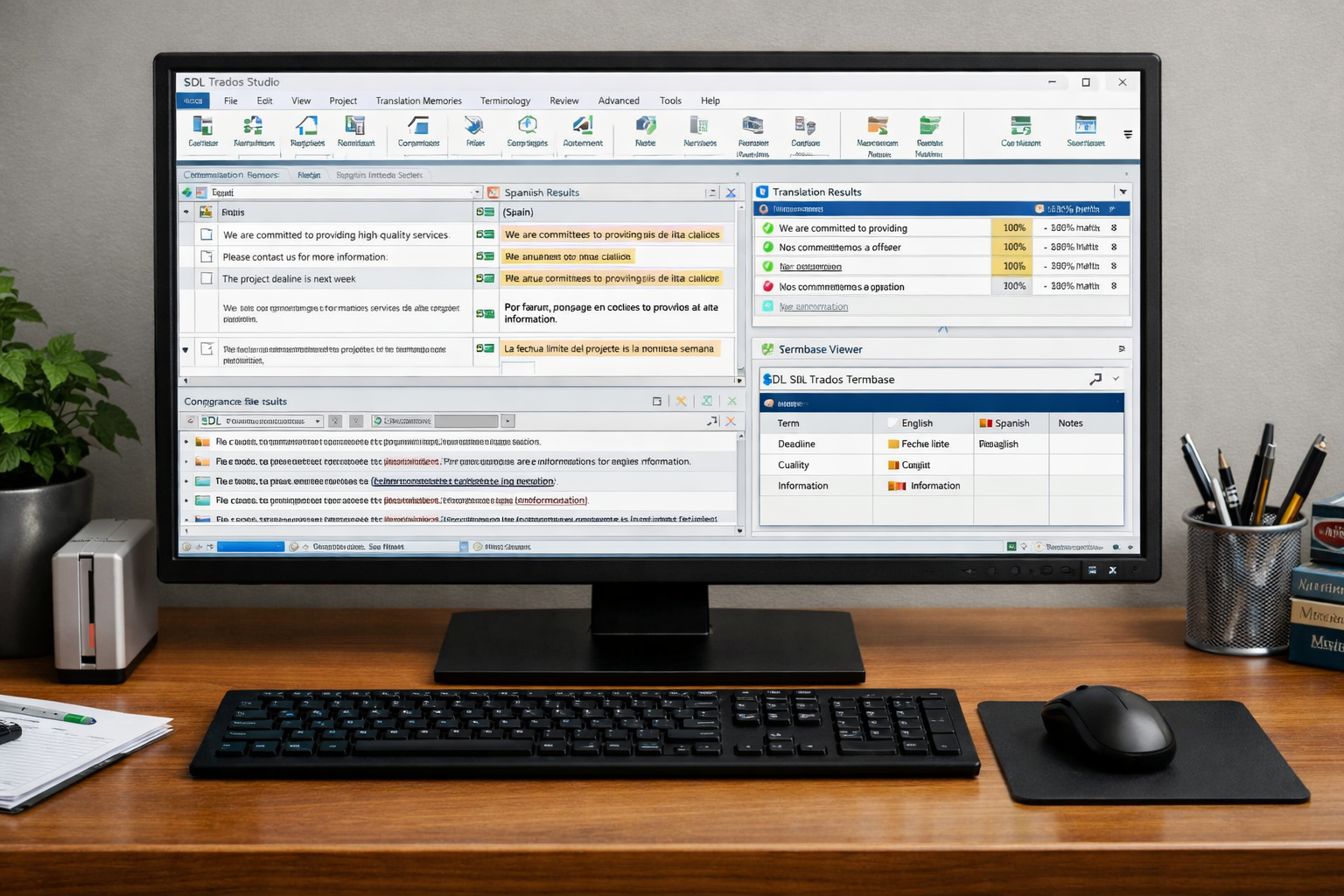
The true power of Trados emerges from how Translation Memory and TermBase integrate within the translation workflow. When a translator opens a document in Trados Studio, both systems activate simultaneously. The TM provides segment-level suggestions based on previous translations, while the TermBase highlights approved terminology within those segments.
This dual-layer approach creates a sophisticated guidance system. A translator might receive a ninety percent fuzzy match from the TM, but the TermBase might indicate that one of the terms in that match has been updated or changed. The translator can then use the TM suggestion as a structural template while updating the specific terminology to match current standards.
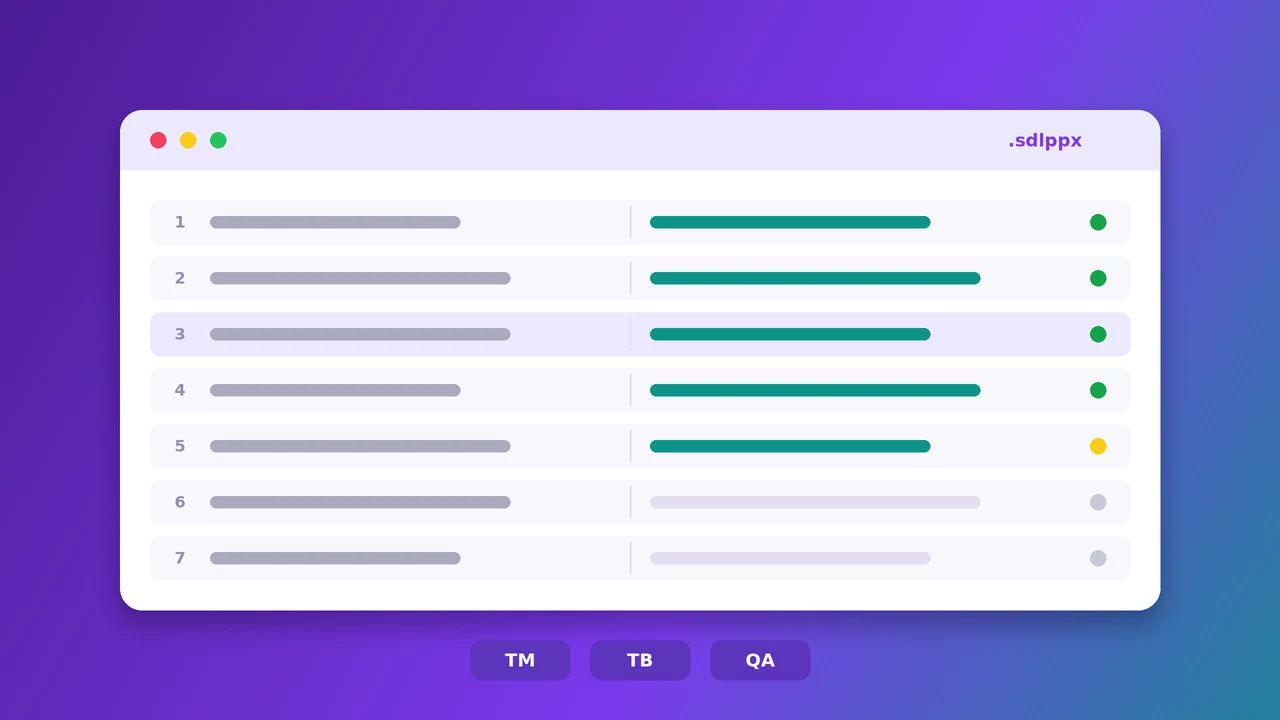
The SDLXLIFF file format serves as the working file during translation. This bilingual format preserves the source text, displays target text being created, and maintains all the metadata and formatting from the original document. It also stores segment status information, TM match percentages, and term recognition data, creating a complete record of the translation process.
For organizations managing multiple projects and translators, having the ability to convert and consolidate translation assets becomes crucial. Converting between TM formats, extracting terminology into termbases, and managing SDLXLIFF files across different tools and versions can be complex. Services like those offered by linigu.com, which handle conversions between TMs, TBs, SDLXLIFF files, and formats like TMX, DOC, and Excel, help maintain workflow continuity and asset accessibility.
Maintenance and Quality Management
Effective use of Translation Memory and TermBase requires ongoing maintenance. TMs accumulate outdated translations over time, and without regular review, they can perpetuate errors or obsolete terminology. Quality management processes typically include periodic TM cleaning, where linguists review high-frequency segments, remove duplicates, and update translations to reflect current standards.
TermBase maintenance is equally important. As products evolve, terminology changes. New features require new terms, while deprecated functionality means certain terms should be marked as obsolete rather than deleted. MultiTerm supports workflow states like "provisional," "approved," and "obsolete," allowing organizations to manage terminology evolution systematically.
Versioning becomes critical when managing these assets across long-term projects. Major product updates might require separate TM and TB versions to ensure translations align with specific product releases. Trados supports this through field-based filtering, allowing translators to target specific TM content while excluding others.
Performance Optimization
As TMs grow to contain millions of segments, performance optimization becomes essential. Trados uses several techniques to maintain responsiveness. Indexing organizes segments for rapid retrieval, caching keeps frequently accessed translations in memory, and background processes handle maintenance tasks without interrupting translation work.
Large organizations often use server-based TMs through SDL GroupShare or Trados Live, which centralizes translation assets and enables real-time collaboration. These server implementations use more sophisticated database systems optimized for concurrent access, allowing multiple translators to work simultaneously while sharing TM updates in near real-time.
TermBase performance optimization follows similar principles. Properly structured field definitions, appropriate index configuration, and regular database maintenance ensure that term recognition remains instantaneous even with extensive terminology collections.
Advanced Features and Capabilities
Modern Trados implementations include advanced TM features like fragment matching, which identifies partial segment matches and can suggest translations for phrases within sentences. Adaptive Machine Translation integration allows MT engines to learn from TM content, creating hybrid workflows that combine human translation data with machine learning.
AutoSuggest functionality goes beyond traditional TM matching by predicting likely translations based on typing patterns and context, drawing from both TM and TermBase data. This predictive technology adapts to individual translator habits, becoming more accurate over time.
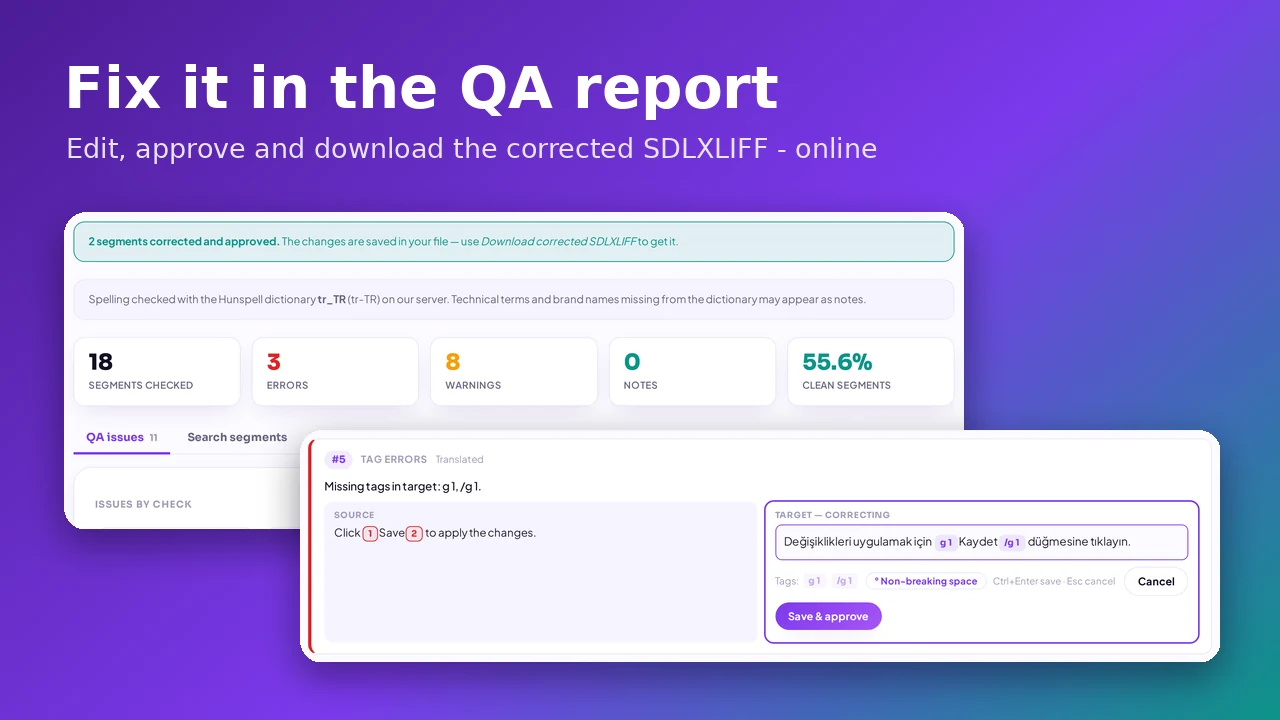
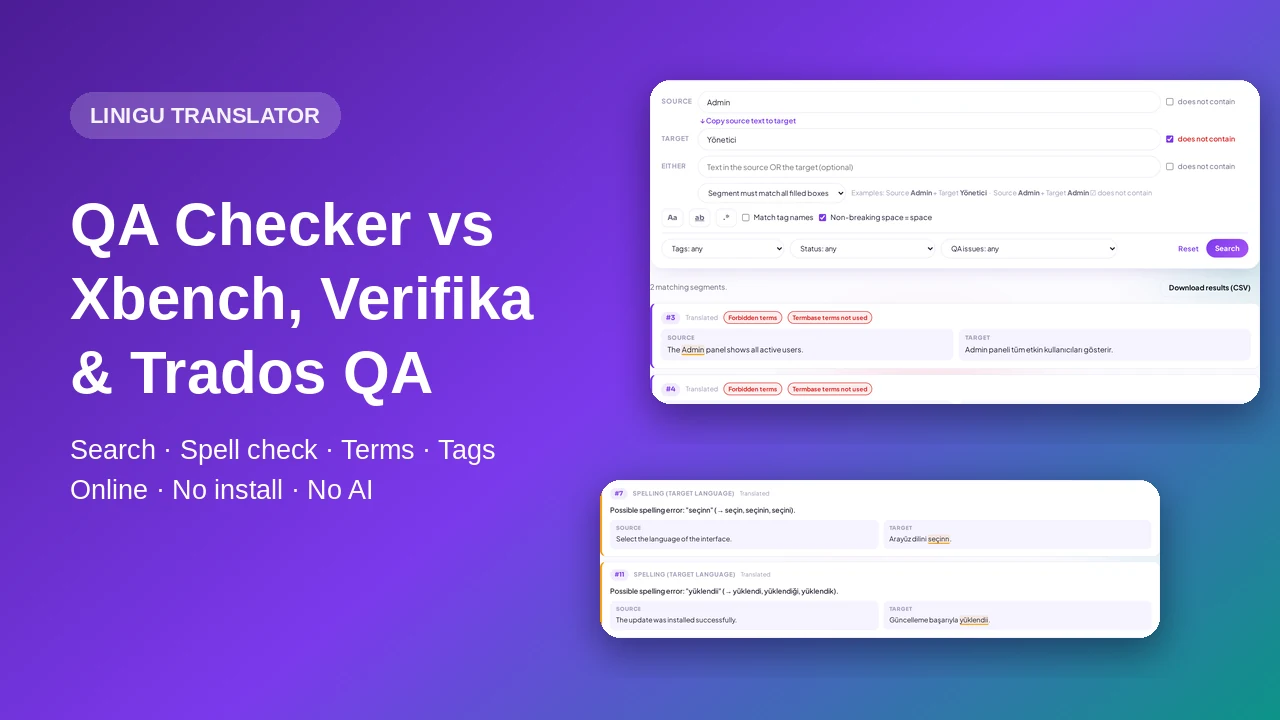
Quality assurance features verify that translations use approved terminology from the TermBase and maintain consistency with the Translation Memory. Automated checks flag segments where translators have ignored TM matches or used non-approved terms, enabling quality control before final delivery.
Best Practices for TM and TB Management
Successful implementation of Translation Memory and TermBase systems requires strategic planning. Organizations should establish clear naming conventions, field structures, and maintenance schedules from the beginning. Regular training ensures translators understand not just how to use these tools, but why certain practices matter for long-term asset quality.
Documentation of TM and TB structure, field purposes, and workflow processes helps onboard new team members and maintains consistency as organizations grow. Version control systems track changes to termbases and provide rollback capabilities when errors occur.
Understanding the mechanics of Translation Memory and TermBase in SDL Trados empowers translators and project managers to leverage these tools effectively. From the database structures that enable rapid matching to the algorithms that calculate fuzzy percentages, each component serves a specific purpose in the larger goal of efficient, consistent, high-quality translation. As translation technology continues evolving, these foundational systems remain central to professional translation workflows worldwide.