
Introduction: Why Data Annotation Matters More Than Ever
Artificial intelligence is often perceived as autonomous, intelligent, and self-learning. In reality, most AI systems are only as good as the data they are trained on. At the core of this training process lies an essential but frequently overlooked task: data annotation.
From machine translation and speech recognition to autonomous vehicles and medical imaging, data annotation is the invisible foundation that enables machines to learn patterns, meanings, and decisions. Without it, AI models would be blind, deaf, and context-less.
This article explains what data annotation is, how it works, and why it plays a critical role in future projects across industries.
1. What Is Data Annotation?

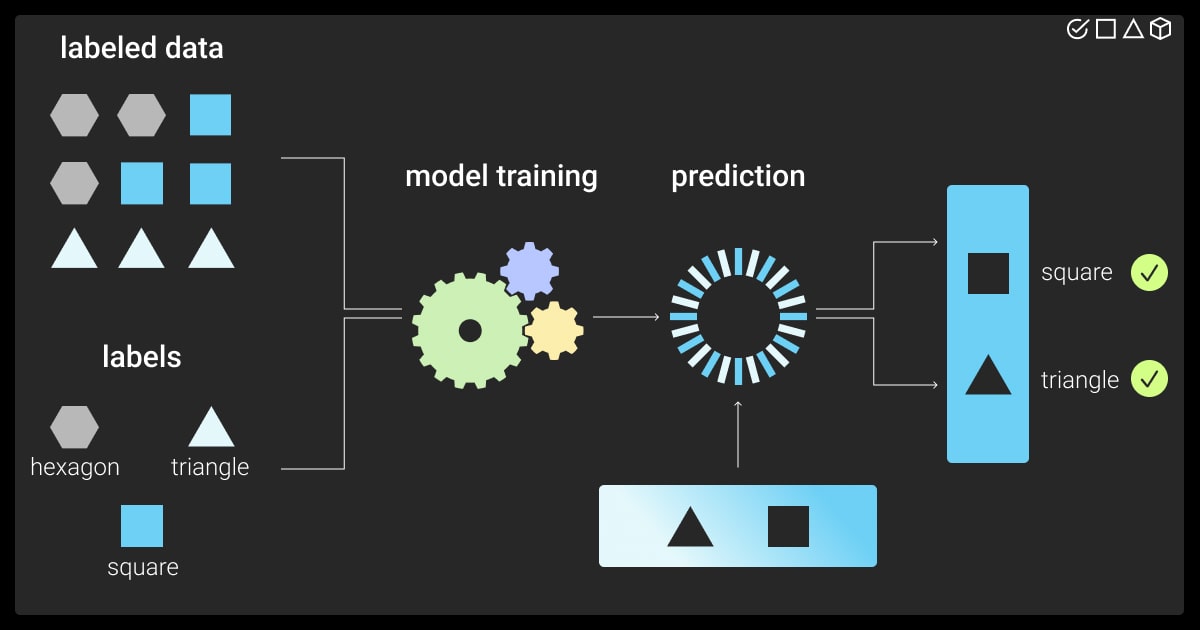

Data annotation is the process of labeling raw data so that machines can understand and learn from it.
Raw data—text, images, audio, or video—has no inherent meaning for a machine. Annotation adds structure and meaning by associating data with labels, tags, categories, or metadata.
Common Examples:
-
Labeling images with objects (“car”, “pedestrian”, “traffic light”)
-
Tagging text with sentiment (positive, negative, neutral)
-
Annotating speech with transcripts and timestamps
-
Marking named entities in text (person, location, organization)
In simple terms:
Data annotation teaches machines what to look for.
2. Types of Data Annotation
Different AI applications require different annotation strategies.
2.1 Text Annotation (NLP)
Text annotation is widely used in:
-
Machine translation
-
Chatbots
-
Search engines
-
Sentiment analysis
Typical text annotations include:
-
Named entity recognition (NER)
-
Part-of-speech tagging
-
Intent labeling
-
Semantic role labeling
These annotations help models understand not just words, but relationships and meaning.
2.2 Image Annotation (Computer Vision)


Image annotation enables machines to “see”.
Methods include:
-
Bounding boxes
-
Polygons
-
Key points
-
Semantic segmentation
This type of annotation is essential for:
-
Autonomous vehicles
-
Facial recognition
-
Medical diagnostics
-
Retail analytics
2.3 Audio and Speech Annotation
Audio annotation supports:
-
Speech-to-text systems
-
Voice assistants
-
Emotion detection
Annotations may include:
-
Transcriptions
-
Speaker identification
-
Tone or emotion labels
2.4 Video Annotation
Video annotation combines image and time-based data:
-
Object tracking across frames
-
Action recognition
-
Behavioral analysis
This is critical for surveillance, sports analytics, and robotics.
3. Why Data Annotation Is Not a Simple Task
At first glance, annotation might appear mechanical. In reality, it requires human judgment, domain knowledge, and consistency.
3.1 Subjectivity and Ambiguity
Language, images, and audio often contain ambiguity:
-
Is a comment sarcastic or negative?
-
Is an object partially visible still a “car”?
-
Does a word refer to a company or a person?
Poor annotation leads to confused models.
3.2 Consistency Is More Important Than Speed
Inconsistent labels are worse than small datasets.
If the same concept is annotated differently across samples, the model learns contradictions.
This is why annotation guidelines, quality checks, and reviewer feedback loops are essential.
4. Data Annotation vs Automation: Can AI Annotate Data?


AI can assist with annotation—but it cannot fully replace humans.
AI-Assisted Annotation:
-
Pre-labels data
-
Suggests tags
-
Speeds up repetitive tasks
Human Annotation:
-
Resolves ambiguity
-
Understands context
-
Ensures semantic accuracy
The future lies in human-in-the-loop systems, where humans validate and correct machine suggestions.
5. How Data Annotation Shapes Future Projects
5.1 Better AI Starts with Better Data
Model architecture improvements offer diminishing returns without high-quality data. Many AI breakthroughs today are driven not by new algorithms, but by better annotated datasets.
5.2 Industry-Specific AI Models
Future AI systems will be:
-
Domain-specific
-
Context-aware
-
Terminology-sensitive
This requires expert annotation, not generic labeling.
Examples:
-
Legal AI trained on annotated contracts
-
Medical AI trained on annotated radiology images
-
Financial AI trained on labeled transaction patterns
5.3 Multilingual and Cultural AI
For machine translation and NLP, annotation enables:
-
Cultural nuance detection
-
Pragmatic meaning modeling
-
Disambiguation across languages
Without multilingual annotation, global AI systems remain biased and inaccurate.
6. Data Annotation and Ethical Responsibility
Annotated data shapes machine behavior. Poor annotation can introduce:
-
Bias
-
Discrimination
-
Harmful decision patterns
Ethical annotation requires:
-
Diverse annotator pools
-
Bias awareness
-
Transparent guidelines
Future AI governance will increasingly focus on how data is labeled, not just how models are trained.
7. Building Future-Ready Projects with Annotation in Mind
If you are planning future AI or data-driven projects, annotation should be:
-
Considered early
-
Budgeted realistically
-
Treated as a core asset
Best Practices:
-
Define annotation standards upfront
-
Use pilot datasets
-
Measure inter-annotator agreement
-
Continuously refine guidelines
Annotation is not a one-time step—it is an iterative process.
8. Conclusion: Data Annotation Is the New Infrastructure
Just as roads enable transportation and networks enable communication, data annotation enables intelligence.
In the future:
-
Better annotated data will outperform larger but noisy datasets
-
Human expertise will remain central
-
Annotation quality will define AI trustworthiness
AI may feel futuristic, but its foundation is deeply human. The future of intelligent systems depends not only on algorithms—but on how carefully we teach machines to understand the world.


