
Introduction: Why TM Preparation Matters for AI
Translation Memories were originally created to support human translators, not to train artificial intelligence.
However, modern AI-based machine translation and language models increasingly rely on legacy translation data—especially large TM databases.
The challenge is simple but critical:
A TM that works for human reuse may be harmful for AI training if not prepared correctly.
This article explains how to transform traditional TM data into high-quality training material suitable for AI and MT systems.
1. Understanding the Difference: Human Reuse vs AI Training
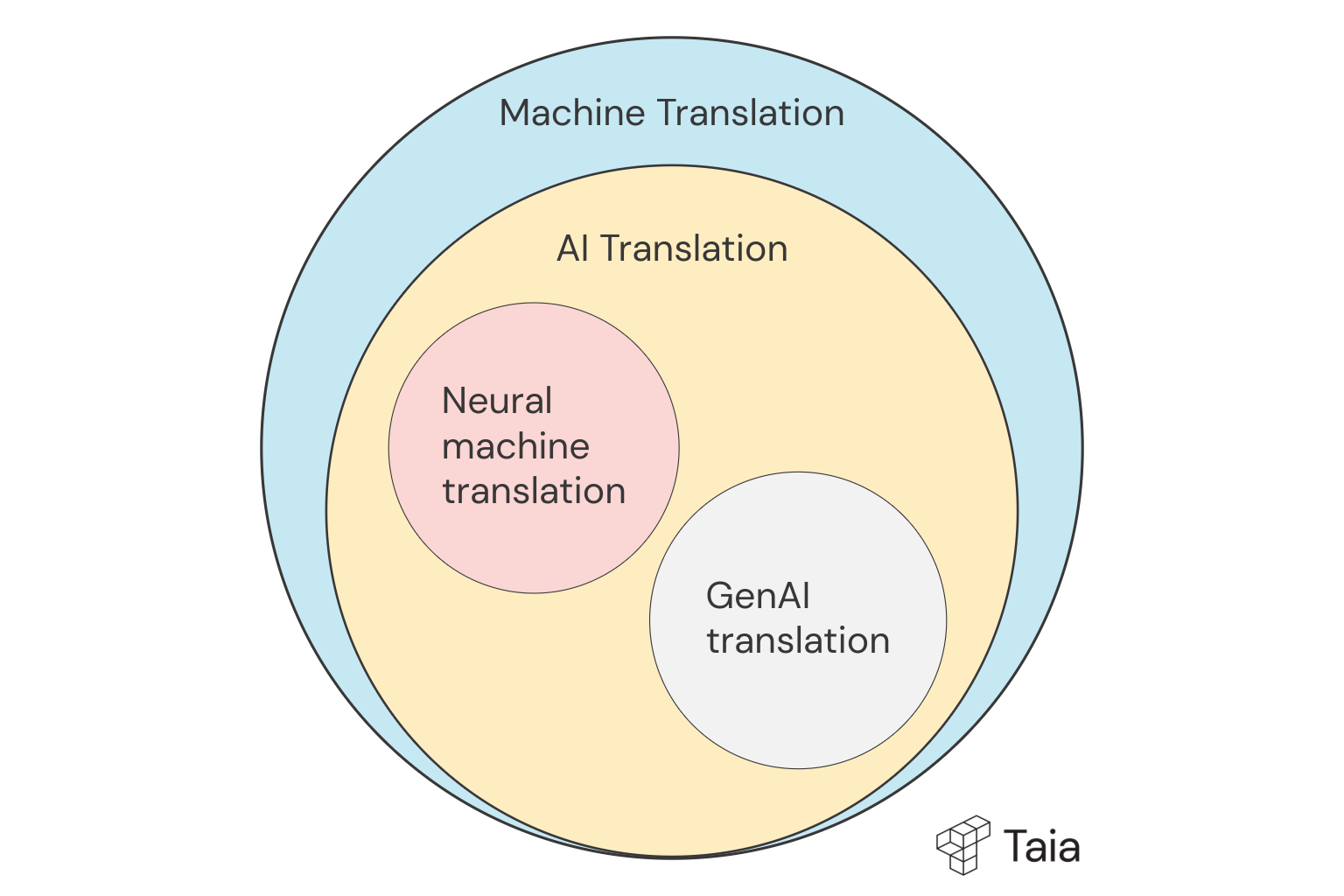

For humans, TM is a suggestion system.
For AI, TM becomes ground truth data.
Key differences:
-
Humans can recognize bad matches
-
AI assumes data is correct
-
Humans adapt context instantly
-
AI learns patterns blindly
Therefore, TM preparation for AI requires much stricter standards than normal CAT tool usage.
2. Assessing TM Quality Before Training


Before using TM data for AI:
-
Measure consistency
-
Identify error frequency
-
Check language direction accuracy
-
Detect mixed domains
Common red flags:
-
Multiple translations for same source
-
Legacy MT output saved as human
-
Reviewer comments inside segments
If you would not trust the TM blindly as a human, AI should never see it.
3. Cleaning the Translation Memory
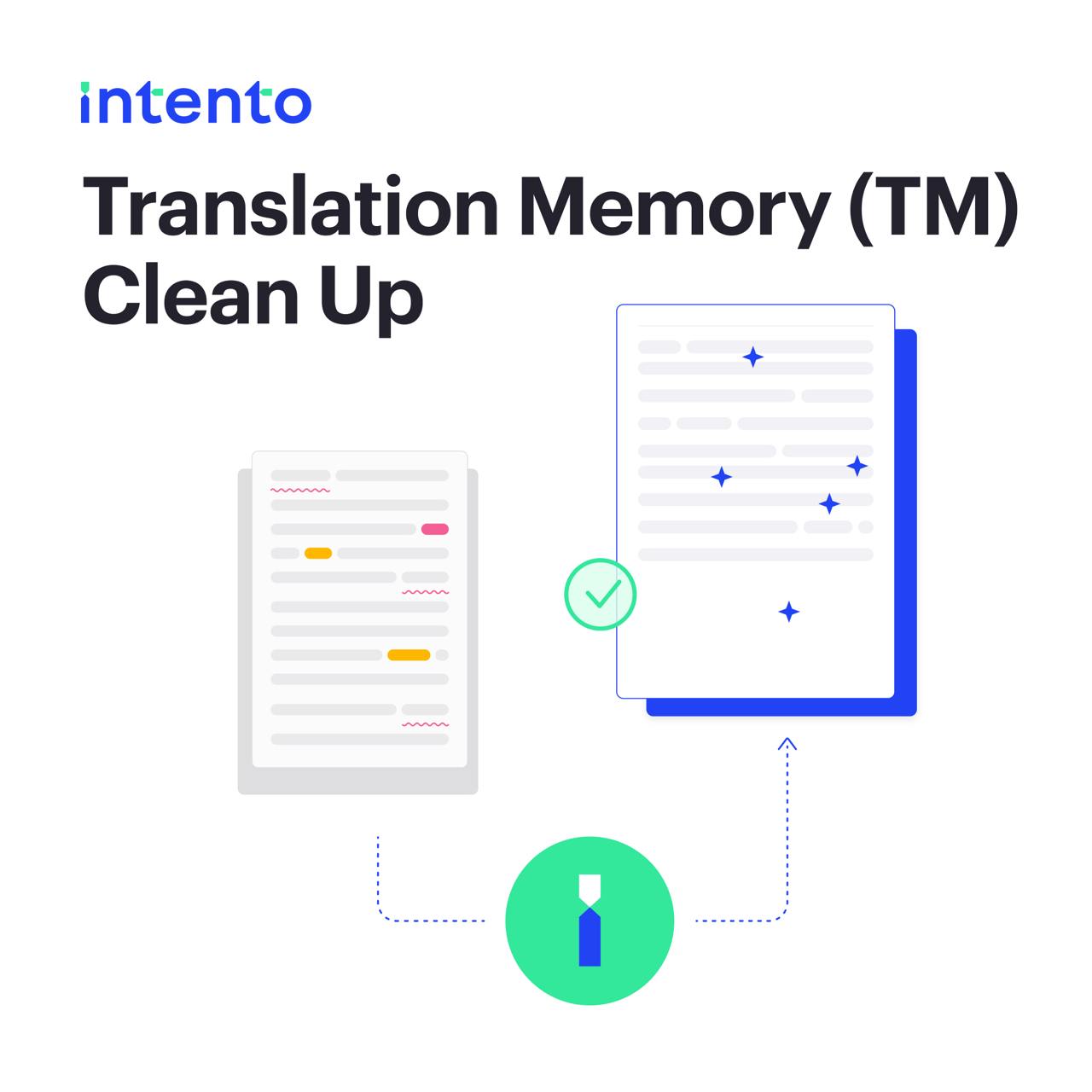
TM cleaning is the most critical step.
What must be removed:
-
Untranslated segments
-
Copy-source segments
-
Duplicates with conflicting targets
-
Segments with obvious linguistic errors
-
Placeholder-only segments
AI amplifies noise.
One bad pattern repeated thousands of times becomes a model bias.
4. Domain Separation and Metadata


Mixing domains is acceptable for human translators—but dangerous for AI.
AI training requires:
-
Domain-specific datasets
-
Clear metadata labels
-
Consistent terminology scope
Best practice:
-
One TM per domain
-
Separate legal, medical, technical, marketing
-
Add metadata: subject, client, product
This allows AI models to learn domain-appropriate language behavior.
5. Alignment and Segment Integrity


AI models learn from aligned parallel data.
Problems to fix:
-
Mismatched sentence boundaries
-
Split or merged segments
-
Partial translations
-
Added or missing information
A single misaligned segment teaches the AI wrong sentence mapping, affecting thousands of future outputs.
6. Handling Tags, Placeholders, and Variables
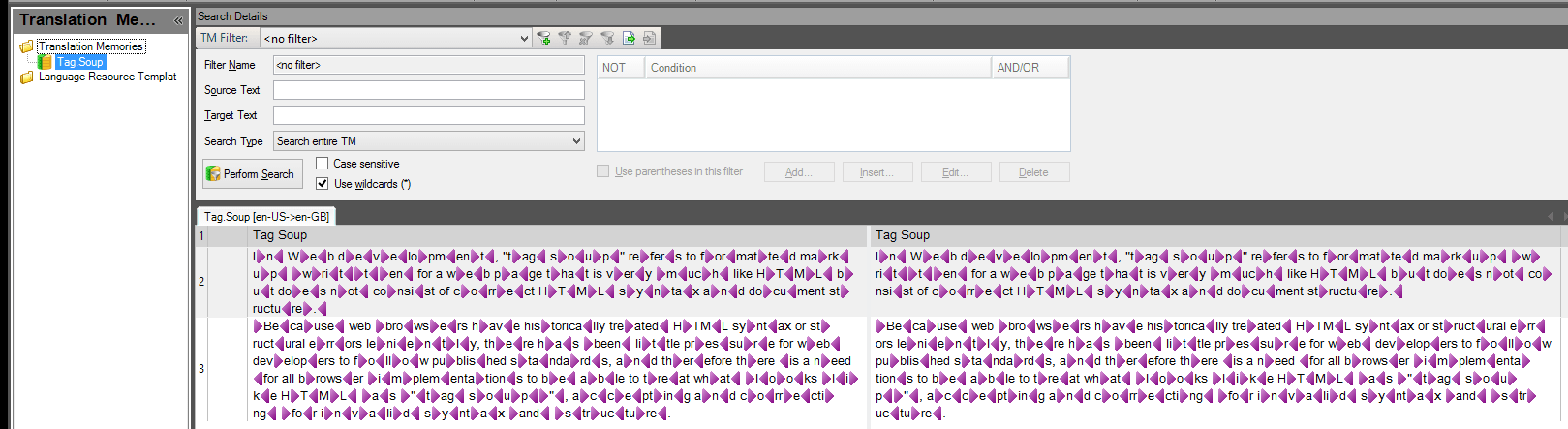
Tags are useful for CAT tools—but problematic for AI.
Preparation options:
-
Normalize tags into placeholders
-
Replace with standardized tokens
-
Remove non-linguistic markup
Inconsistent tag handling confuses AI and reduces fluency.
AI must learn language, not formatting mechanics.
7. Terminology Control for AI Training

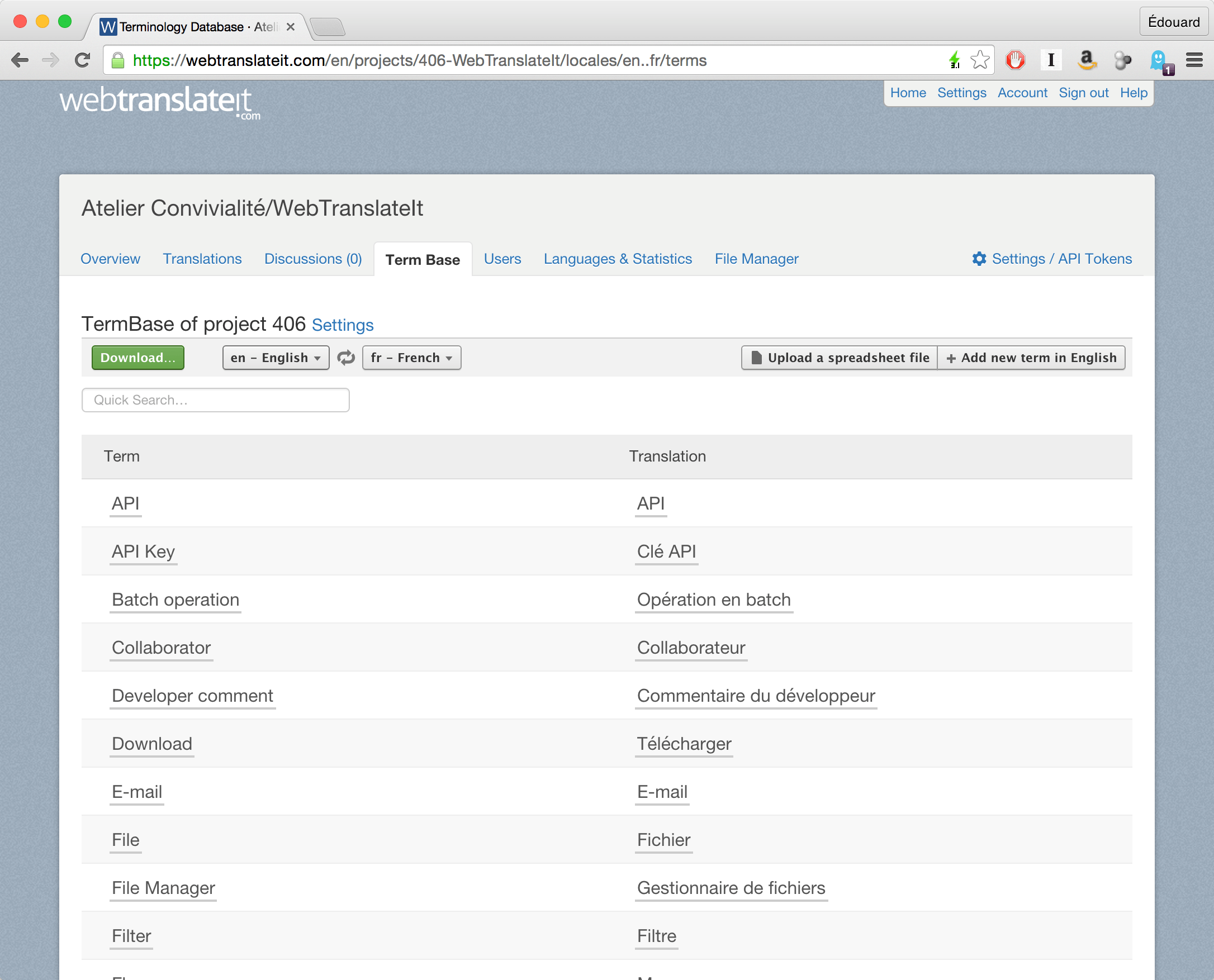
AI learns terminology statistically.
If your TM contains:
-
Multiple translations for the same term
-
Forbidden terms mixed with preferred ones
The model will average the mistakes.
Before training:
-
Align TM with approved termbases
-
Remove forbidden terminology
-
Normalize spelling and capitalization
Terminology errors in AI output are extremely hard to correct later.
8. Removing Human-Specific Noise

TM often contains elements intended only for humans:
-
Translator notes
-
QA comments
-
Review artifacts
-
Style hints
These must be removed.
AI does not understand intention—it treats everything as linguistic signal.
9. Balancing Data Volume vs Quality

More data is not always better.
For AI training:
-
1 million clean segments > 10 million noisy ones
-
Consistency beats volume
-
Balanced language pairs matter
Over-represented patterns dominate model behavior.
Quality control is not optional—it defines the model.
10. Validation Before AI Training


Before feeding TM data into AI:
-
Run statistical checks
-
Sample manually
-
Test with small pilot models
-
Evaluate output behavior
This step prevents costly retraining later.
Conclusion: TM Is Legacy Knowledge—Treat It Carefully
Translation Memory represents years of human linguistic decisions.
When reused for AI training, it becomes institutional knowledge encoded into machines.
Prepared correctly, TM enables:
-
Domain-adapted MT
-
Consistent AI translation
-
Reduced post-editing effort
Prepared poorly, TM creates:
-
Persistent errors
-
Terminology chaos
-
Uncontrollable AI output
AI does not correct TM.
AI multiplies it.


